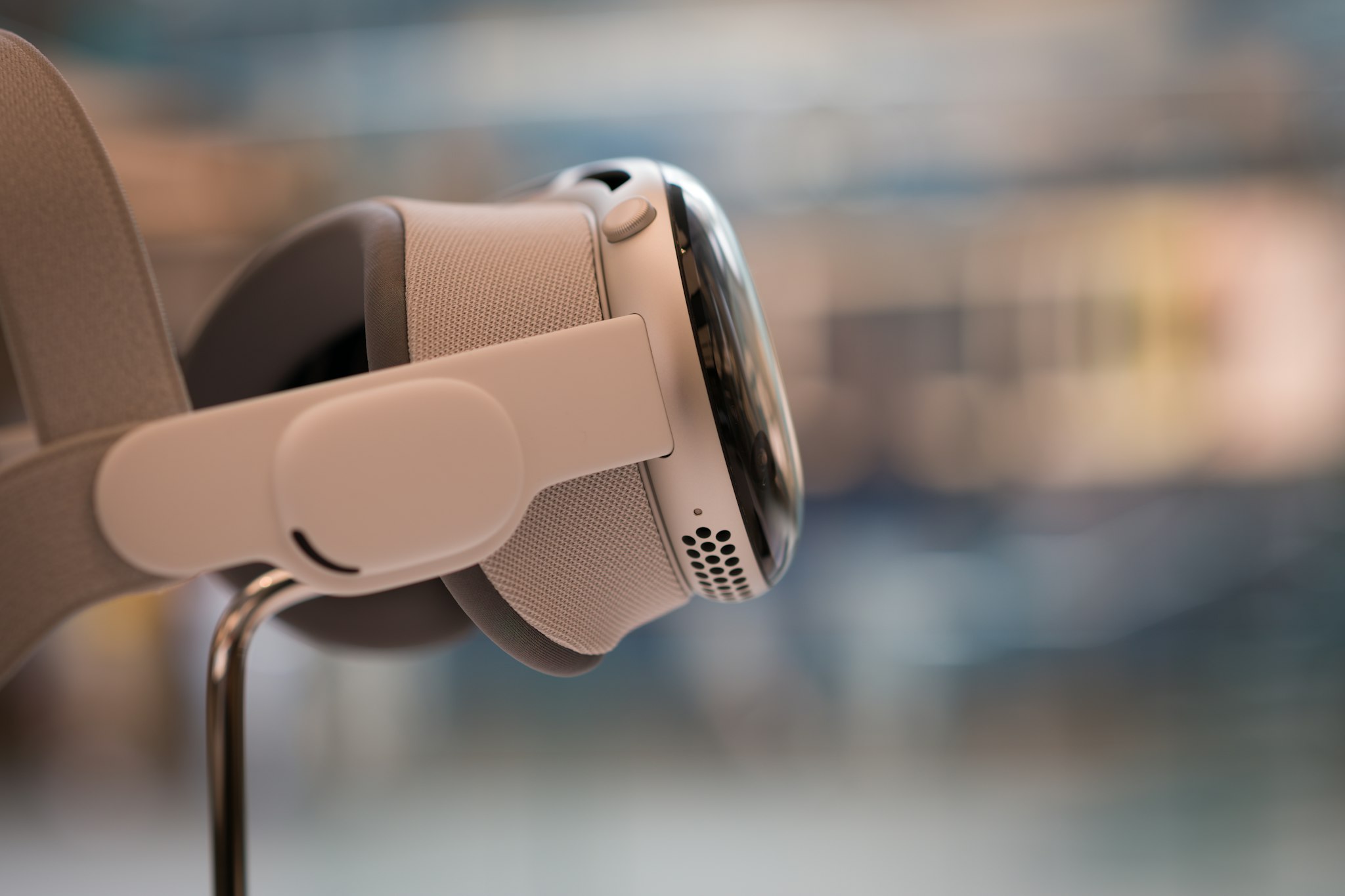
The Quiet Rise of Ambient Computing
%22%2F%3E%3Ctext%20x%3D%2232%22%20y%3D%2241%22%20font-family%3D%22sans-serif%22%20font-size%3D%2224%22%20font-weight%3D%22600%22%20fill%3D%22%23fff%22%20text-anchor%3D%22middle%22%3EPS%3C%2Ftext%3E%3C%2Fsvg%3E)
Introduction
Computing used to announce itself. A screen turned on, a cursor blinked, and a person sat down to operate a tool. That model is quietly giving way to something less deliberate: systems that sense a room, infer an intent, and adjust before anyone reaches for a switch. Ambient computing does not replace the devices people already own so much as it dissolves the moment of "opening" one.
The shift is easy to miss because it shows up as absence rather than novelty — a hallway light that dims on its own, a thermostat that never needs adjusting, a car seat that remembers a driver before the door closes. None of it looks like a product launch, and that is rather the point.
Three Pillars of Ambient Systems
- Sensing Layer
- Environmental sensors
- Wearable input
- Passive telemetry
- Context Engine
- Pattern recognition
- Preference modeling
- Situational triggers
- Responsive Output
- Ambient lighting cues
- Audio nudges
- Adaptive layouts
Where Ambient Systems Struggle
None of this arrives for free. The more a space anticipates a person, the more it has to know about them, and that trade keeps surfacing the same open questions:
- Privacy expectations
- Sensor drift
- Notification fatigue
Looking Ahead
The next stretch of ambient computing probably will not be won by whoever adds the most sensors. It will be won by whoever gets the quiet parts right — the moments where the system says nothing at all because there was nothing worth saying.
"The best interface is the one you stop noticing." — Mireille Ashwood, systems designer
Worth remembering the next time a room seems to read your mind — someone spent a long time teaching it to.
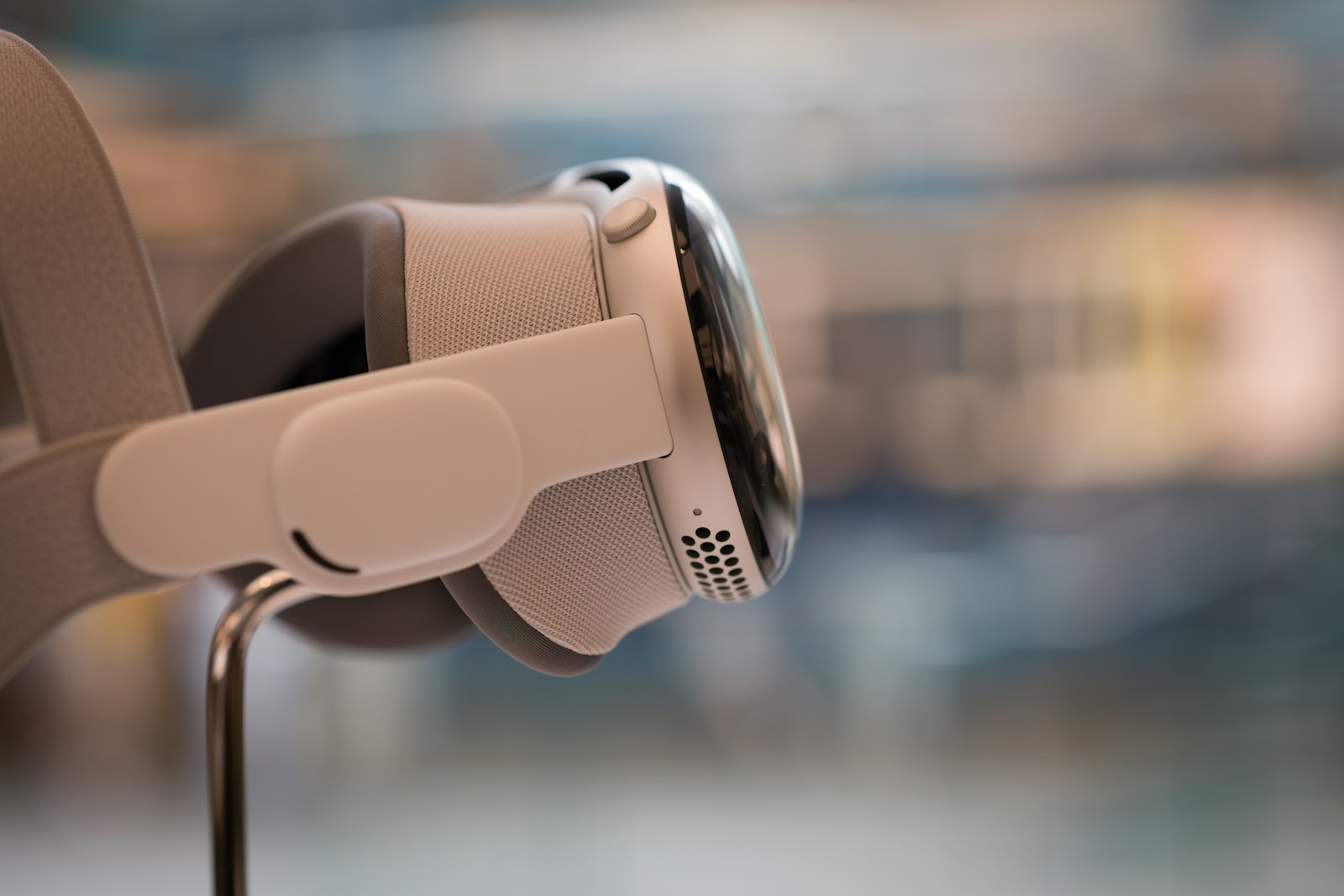
For a closer look at how these layers fit together, see theextended field notes.